

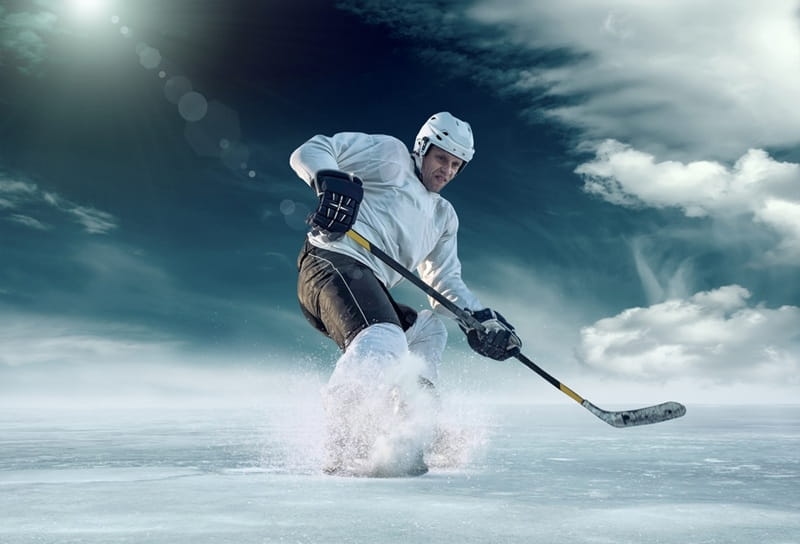
Outdoor hockey exposes everything. Your skating, your hands, and most of all, your stick. Unlike indoor rinks where temperature and ice stay consistent, outdoor play forces equipment to react to the environment. That reaction is not subtle.
Weather and ice conditions directly change hockey stick performance. From how the shaft loads on a shot to how the blade feels on puck contact, small environmental shifts can make a familiar stick feel completely different.
If you play cold weather hockey, this is not theory. You have felt it. The goal here is to explain why it happens and what actually helps.
The moment hockey leaves a climate-controlled rink, three variables take over:
These factors affect winter sports gear in general, but the hockey stick shows the effects fastest because it relies on flex, feel, and timing.
A stick does not fail outdoors. It reacts.
Ice conditions determine how the puck moves before your stick even touches it.
In very cold temperatures, ice becomes hard and fast. The puck slides quickly but can bounce or chatter on rough patches. In milder weather, ice softens. Slush forms, slowing the puck and increasing resistance.
Common outdoor ice conditions include:
Each one changes puck speed and stability. That directly affects hockey stick performance because blade contact depends on predictable puck movement.
Don’t Miss: Top Tips for Hockey Stick Performance Assessment
Cold air changes material behavior. Most modern sticks are made from carbon fiber composites. These materials stiffen as temperatures drop.
That stiffness leads to noticeable stick flex changes.
A stick that feels balanced indoors can feel board-like outdoors. Shots require more effort. The puck releases differently. Timing feels off even though your mechanics have not changed.
This is one of the most common complaints in cold weather hockey, and it is not a skill issue.
Stick flex is not just about power. It controls how energy loads and unloads during a shot.
When cold weather stiffens a stick:
Many players respond by swinging harder. That often makes things worse. The better adjustment is understanding that stick flex changes are temperature-driven, not permanent.
Some outdoor players use a slightly lower flex stick during winter months to compensate. Others adjust release timing. Both approaches work when done intentionally.
Moisture is a bigger factor than most players admit.
Snow, slush, and wet ice soak into tape. A wet blade feels heavier and duller. Puck control becomes less precise. Passes lose speed.
Over the course of a session, hockey stick performance can drop simply because the blade keeps absorbing water.
Signs moisture is affecting your stick:
This is not damage. It is physics.
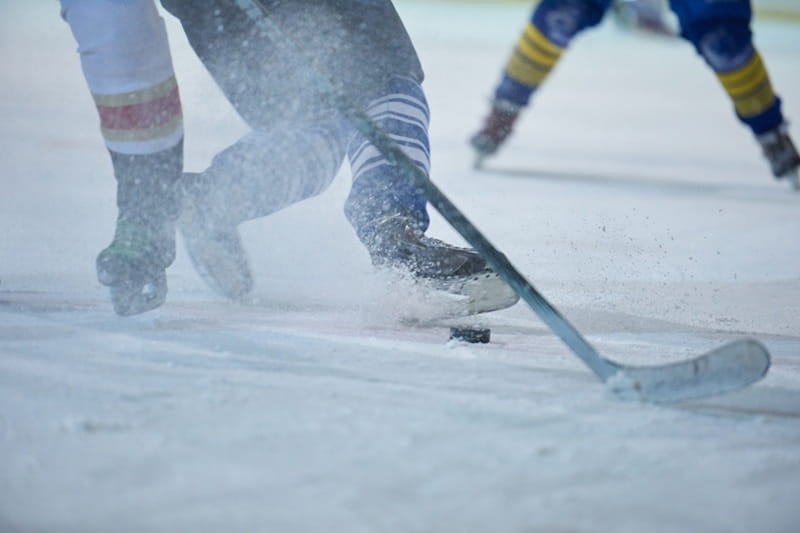
Wind does not change the stick itself, but it changes outcomes.
Long passes slow down. Elevated shots drift. Rebounds come off the boards differently. Players often blame their stick when the real cause is air resistance.
In outdoor games, smart players shorten passes and keep shots lower. That adjustment preserves consistency without changing equipment.
Also check: Guide to Hockey Stick Inspections to Boost Performance
Hands stiffen in the cold. Gloves lose flexibility. Grip pressure changes.
All of this affects how the stick feels. A player with cold hands tends to squeeze the stick harder, which reduces wrist movement and shot control.
Proper warm-up matters more outdoors. Cold muscles reduce range of motion and timing. Many complaints about hockey stick performance are actually about player readiness, not gear quality.
Avoid overcorrecting. Most outdoor issues have simple fixes.
Cold weather hockey often calls for a slightly lower flex to offset stiffness. This helps maintain a familiar shot feel.
Storing sticks indoors before games helps reduce early-session stiffness. This improves feel right from the first shift.
On soft ice, quick releases work better than full wind-ups. On hard ice, focus on clean contact and controlled shots.
You may also like: Understanding Stick Flex and Its Impact on Durability
Winter sports gear is designed to perform within ranges. Outdoor hockey pushes those limits.
The goal is not perfect consistency. It is predictability. When players understand how ice conditions and temperature affect their stick, frustration drops and performance stabilizes.
Hockey stick performance outdoors rewards awareness more than equipment changes.
Outdoor hockey is not harder. It is less forgiving. Players who adapt win that trade.
These are common questions players ask after noticing their stick feels different outdoors. The answers below focus on real on-ice causes, not marketing claims or theory, so you know what is actually changing and why.
Cold temperatures stiffen composite materials, causing stick flex changes. This reduces loading and alters shot timing even though the flex rating stays the same.
Ice conditions control puck speed and stability. Soft or snowy ice increases resistance, while hard ice can cause unpredictable puck contact, both of which impact stick control.
Winter sports gear faces more moisture and temperature swings outdoors. Proper drying, taping, and storage help maintain hockey stick performance and durability.
This content was created by AI